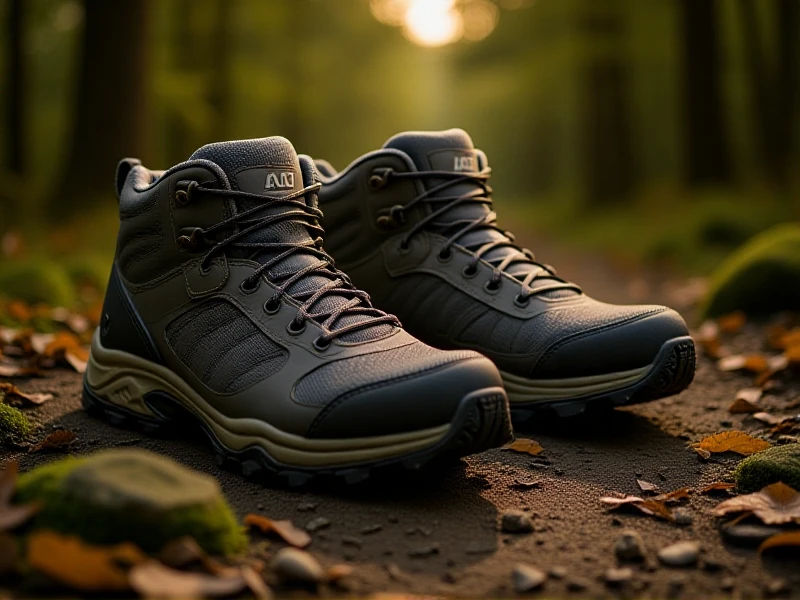
Upgrade Your Trail Running Experience: Choosing the Perfect Trail Running Shoes
Hitting the trails offers unparalleled freedom, scenery, and challenge. But navigating muddy paths, rocky scrambles, and unpredictable terrain demands more than your standard road sneakers. That’s where specialized Trail Running Shoes become your essential partner. Choosing the right pair can transform your run, boosting confidence, safety, and sheer enjoyment.
Unlike road shoes, Trail Running Shoes prioritize ruggedness and grip. The standout feature? Outsoles featuring deep, multi-directional lugs made from sticky rubber compounds. This aggressive tread bites into soft earth, loose gravel, and slippery roots, providing the critical traction road shoes lack. Think of it as built-in stability for uneven ground.
Protection is paramount. Look for shoes incorporating durable rock plates – thin shields nestled in the midsole – that shield your feet from sharp stones, roots, and rough impacts. Reinforced toe bumpers add another layer of defense against stubs, while robust upper materials shrug off abrasion from brush and rock. Many also feature a snug, secure fit around the midfoot to prevent unwanted sliding inside the shoe on technical descents.
Support and cushioning work hand-in-hand in quality Trail Running Shoes. While stability is key, cushioning levels vary. Minimal cushioning offers a "close-to-the-trail" feel for agility and ground feedback favored by experienced runners. Max cushioning absorbs impact on longer runs or harder surfaces. Mid-range cushioning provides a balanced approach. Consider the typical terrain and distance of your runs.
Drainage matters! Trail shoes often feature mesh uppers designed to shed water quickly after stream crossings or in wet conditions. Breathability remains important too to prevent overheating. For wetter environments, some offer water-resistant treatments (like GORE-TEX), though this can slightly reduce breathability in warm weather.
Don’t forget stability features. Many Trail Running Shoes incorporate firmer midsole materials along the inside edge or lower-profile designs to enhance stability on uneven ground, reducing the risk of ankle rolls.
Finally, prioritize fit. Visit a specialty running store. Try shoes on with the socks you run in, ideally later in the day when feet swell slightly. Ensure ample toe room (about a thumbnail's width ahead of your longest toe) to allow for foot expansion and prevent downhill jamming. Flex and move to check for hotspots. Remember, fit triumphs over any specific technology.
Investing in the right pair of Trail Running Shoes elevates your trail adventures. Focus on grip, protection, support, and, above all, the perfect fit. Lace up the right pair and conquer the terrain with confidence! Explore the trails today.