Find Your Perfect Pair: Your Ultimate Guide to Hiking Shoes
Here's the SEO article optimized for "Hiking Shoes":
Have you ever cut a hike short because your feet hurt, blistered, or just felt unstable? The right pair of hiking shoes can make the difference between an ordeal and pure adventure. Whether tackling rugged trails or enjoying scenic walks, your footwear is your foundation. Choosing wisely isn't just about comfort; it's crucial for safety and preventing injuries on unpredictable terrain.
Why Hiking Shoes Matter More Than Regular Sneakers
Hiking footwear is specifically engineered for the outdoors. Unlike regular sneakers, they offer superior:
- Traction & Grip: Aggressive lug patterns grip slippery rocks, mud, and loose dirt, reducing slips and slides.
- Protection: Rugged toe caps and heel bumpers shield your feet from roots and rocks. Higher ankle versions add stability on uneven ground.
- Support & Stability: Firm midsoles and structured designs ensure your foot stays properly aligned, minimizing fatigue and twist injuries.
- Durability: Constructed with tough materials like synthetic leather, nubuck, or full-grain leather ripstop nylon, they withstand abrasion and the elements far better.
- Water Management: Depending on the model, waterproof membranes (like Gore-Tex) or quick-drying materials keep your feet dry and comfortable through streams or rain.
Key Features to Look For in Hiking Shoes
- Fit is Paramount: This sounds obvious, but it's critical. Try on shoes with the socks you'll hike in. Allow about a thumb's width of space beyond your longest toe (swelling happens!). Walk aggressively on an incline/decline in-store. Heel slippage or excessive movement means try another size or style. Blisters often start with a poor fit.
- Support Level: Consider the weight you'll carry and terrain:
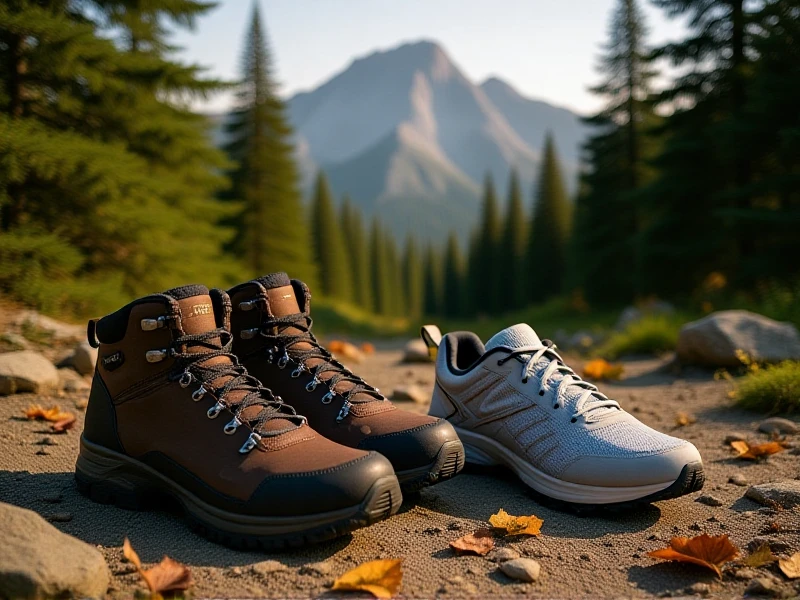
- Hiking Shoes (Low-Cut): Lightweight, flexible, ideal for day hikes with light loads and well-maintained trails. Offers less ankle support but great freedom of movement.
- Hiking Boots (Mid/High-Cut): Provide excellent ankle support, stability, and protection for rocky, uneven terrain, heavier backpacks, or multi-day treks. Generally more durable but heavier.
- Outsole & Traction: Deep, multi-directional lugs are key. Vibram® soles are renowned, but many brands offer high-traction proprietary designs. Look for good edging capabilities.
- Waterproofing: Essential for wet climates, stream crossings, or morning dew. Gore-Tex® is a premium standard, offering waterproofing while still allowing some moisture vapor to escape (sweat). For hot and dry climates, non-waterproof, breathable mesh shoes might be preferable to prevent sweaty feet.
- Cushioning & Underfoot Protection: Adequate cushioning absorbs impact, while a stiff rock plate in the midsole protects your feet from sharp stones poking through the sole.
Types of Hiking Shoes for Different Adventures
- Trail Runners: Ultra-lightweight, extremely flexible. Best for fast, light day hikes on established trails with minimal gear.
- Day Hiking Shoes: Versatile and popular low-cut options offering solid support and protection for most day hikes without heavy loads.
- Backpacking Boots: Sturdier mid or high-cut boots built to handle heavier packs and challenging terrain over multiple days. Offer maximum support and durability.
- Approach Shoes: Designed specifically for climbers needing hiking performance to get to the crag, featuring sticky rubber soles for grip on rock.
Your Next Step? Try Them Out!
Don't rely solely on reviews. Visit a reputable outdoor retailer with knowledgeable staff who can analyze your foot type and gait. Bring your hiking socks and spend significant time trying different models on various surfaces. Your perfect pair of hiking shoes might be lighter, more supportive, or offer better traction than you imagined. Invest wisely in this fundamental piece of gear, and your feet (and your adventures) will thank you for miles to come! Remember, lighter isn't always better; choose the support your specific adventure demands.