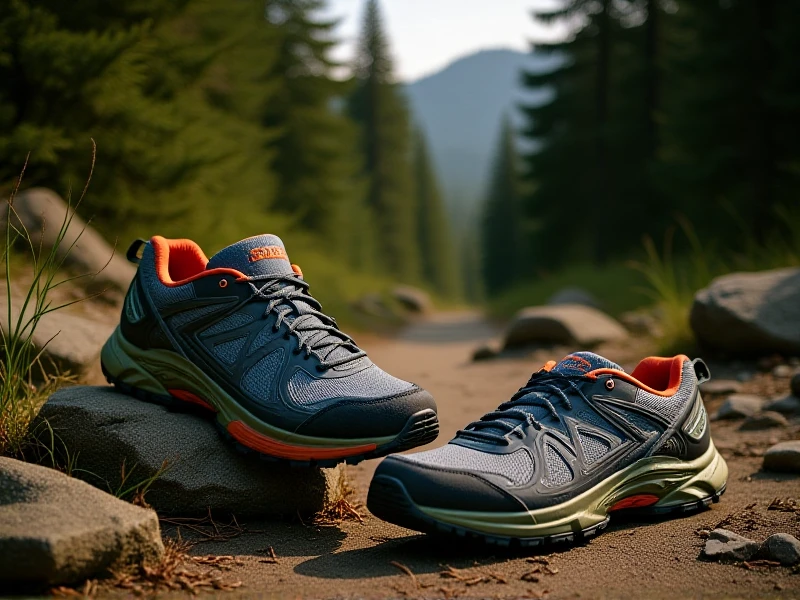
The Ultimate Guide to Finding Your Perfect Pair of Hiking Shoes
Discovering the right hiking shoes transforms trails from exhausting to exhilarating. This essential gear protects your feet while boosting stability and confidence on uneven terrain. With countless options available, understanding key features ensures you invest wisely in your outdoor adventures.
Why Quality Matters
Hiking shoes bridge nature and navigation. They shield feet from rocks and roots, provide ankle support during ascents, and prevent slips on wet surfaces. Unlike regular sneakers, they feature aggressive treads for grip and reinforced toe caps. Durability matters – quality pairs last 500 miles while cushioning joints.
Top Features to Consider
Waterproofing: Gore-Tex liners block moisture yet breathe during exertion. For hot climates, quick-dry mesh versions prevent swampy feet.
Traction: Vibram® soles dominate rugged trails. Deeper lugs (5mm ) excel in mud, while shallower patterns suit dry terrain.
Fit Science: Always size up (half to full size) for downhill comfort. Test with hiking socks, and ensure heel lock without toe cramping.
Weight: Lightweight models (<650g/pair) accelerate pace; sturdy midsoles better support heavy loads.
Styles Decoded
Trail Runners: Ultra-light for fastpacking with rock plates underfoot.
Low-Cuts: Agile for day hikes with breathable collars.
Mid-Tops: Added ankle coverage protects on scree slopes.
Water Shoes: Drain vents and sticky rubber for river crossings.
Pro Longevity Tips
Air-dry shoes post-hike; never direct-heat. Remove insoles to prevent mildew. Refresh grip with toothbrush scrubs. Rotate pairs to decompress cushioning foam between outings. Signs for replacement? Smooth tread centers or uneven wear patterns.
Trail-Tested Recommendations
For granite-heavy alpine trails, prioritize rigid soles like Salomon Quest. Southeast rainforest treks demand Salomon Speedcross drainage systems. Entry-level favorites like Merrell Moab deliver versatile comfort without breaking budgets. Always hike steeply inclined store paths during fittings!
Investing in specialized hiking shoes prevents blisters while unlocking nature’s wonders. Match features to your primary terrain and foot shape. Now tighten those laces – adventure awaits!